Teddy Guinea Pig
- Origin
- United States
- Size
- 8–12 in (20–30 cm)
- Coat
- Short, dense, springy
- Lifespan
- 4–7 years
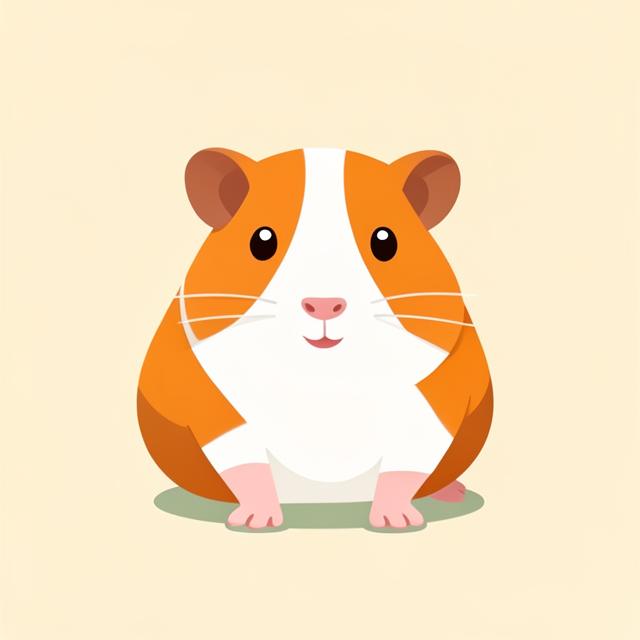
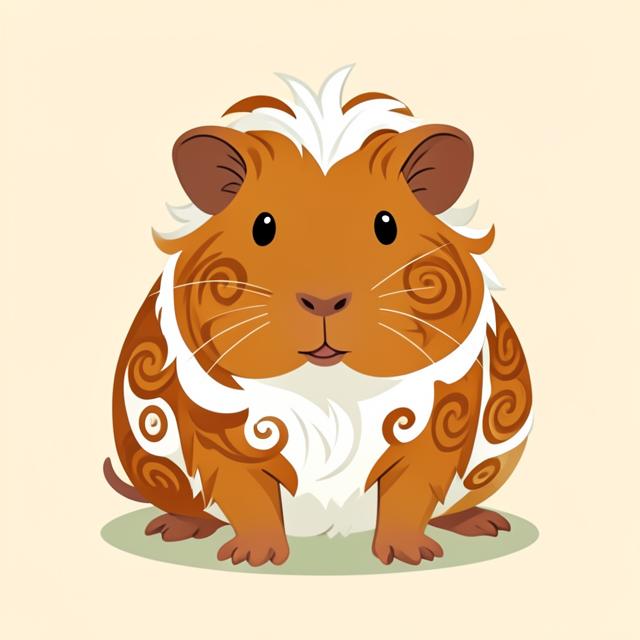
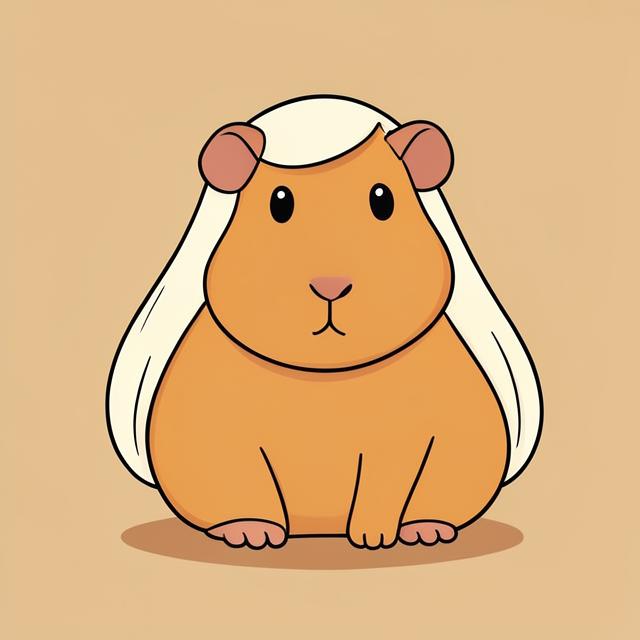
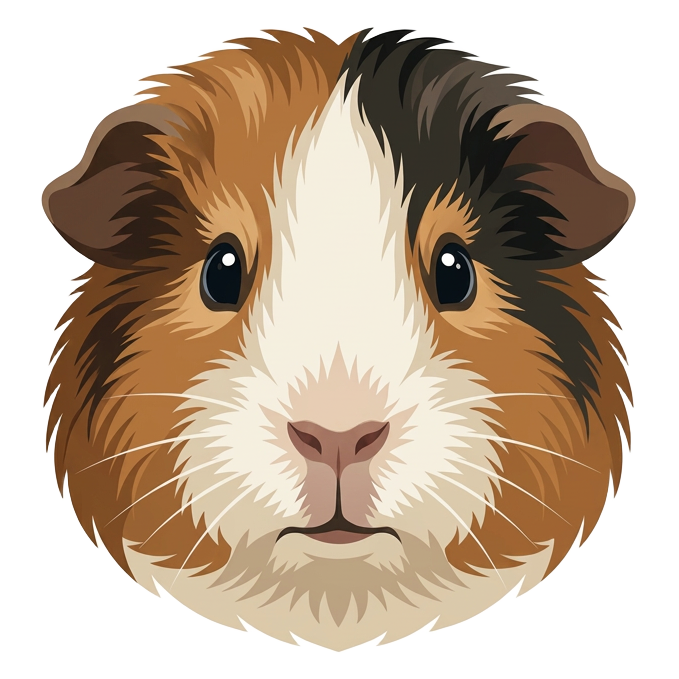
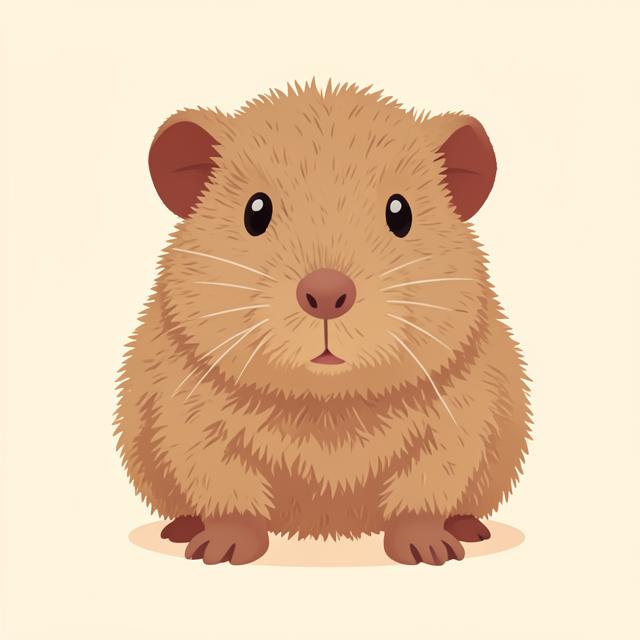
The Teddy's coat is short, dense, and springy, each hair has a kink that makes the whole pig feel like a plush toy, which is exactly how the breed got its name. A prominent upturned 'Roman nose' completes the teddy-bear look.
Teddies are playful and social, and their coat is low-maintenance: a weekly brush keeps it tidy. Their dense fur can trap dry skin, so an occasional gentle brushing doubles as a skin check.
Teddy Guinea Pig at a glance
- Size
- 8–12 in (20–30 cm)
- Adult weight
- Adult guinea pigs commonly weigh about 700 to 1,100 g (1.5 to 2.5 lb); this is not a breed-specific target
- Lifespan
- 4–7 years
- Care difficulty
- Beginner
The size and lifespan above are approximate, not guarantees. Care difficulty describes grooming workload, not personality. Individual temperament varies, and every breed needs daily care, suitable companionship and veterinary support.
Coat and grooming
- Give the short, dense coat a gentle brush about once a week, removing loose hair without scrubbing the skin.
- Part the plush coat during checks so you can see the skin underneath, especially if the pig is scratching.
- Check the rear, feet and nails regularly. Short fur still needs clean, dry bedding and daily spot cleaning.
- Do not treat flakes with human dandruff shampoo, oils or creams. Ask a vet to identify the cause first.
Health risks to watch
- Flaking, itching and bald patches need assessment; do not assume they are normal for a dense-coated breed.
- Like other guinea pigs, Teddies can develop dental problems, vitamin C deficiency and respiratory disease. Their coat does not protect against these conditions.
- Wet bedding and sore feet need prompt attention; check for redness, swelling or reluctance to move.
- Loss of appetite, fewer droppings or labored breathing requires urgent veterinary contact.
This is general information, not veterinary advice. If you notice a change in eating, breathing, droppings or behavior, contact an exotic vet.
Who is it best for?
- Beginners looking for a short coat with relatively modest grooming needs
- Families able to supervise handling and maintain daily care
- Owners willing to check the skin beneath a dense coat rather than judge health by appearance alone
Probably not ideal for
- Anyone expecting the plush coat to mean a toy-like pet that enjoys constant cuddling
- Households without time for companionship, cleaning and daily feeding
Teddy Guinea Pig questions
How often does a Teddy guinea pig need brushing?
About once a week is a useful starting point for a healthy short coat. Keep sessions gentle and check the skin more often if you notice scratching or flakes.
Do Teddy guinea pigs need regular baths?
No. Routine bathing is usually unnecessary. Clean a small soiled area when needed and ask a vet about recurring dirt, odor or skin irritation.
Is flaky skin normal for a Teddy?
Do not dismiss persistent flakes as a breed trait. Parasites and other skin conditions can look similar, so a vet should assess itching, sores or hair loss.
Are Teddy guinea pigs suitable for first-time owners?
Often, because the short coat is easier to maintain than long hair. They still need an appropriate companion, a hay-based diet, roomy housing and access to an exotic vet.
Sources and further reading
These references cover breed and coat identification, grooming and general guinea pig health. Health watch points are not a claim that this breed is uniquely prone to those conditions.
Guinea pig care guidance, made for cavies
Wheeky: Guinea Pig Identifier
- Photo breed identification in seconds
- Symptom checker with urgency guidance
- Food Scanner: harmful foods, vitamin C and serving guidance
- Sound Translator and cage setup guidance
- Poop & Pee Checker for care observations, not diagnosis
- Save a profile and history for each pig
Free to download on iPhone and iPad. Guidance only, never a replacement for an exotic vet.